Discover how to cultivate a healthy mind with emotional training. Learn about the 7 core emotional wellness characteristics and practical daily routines to navigate emotional waves and create a happier life.

Navigating Emotional Currents: Your First Step Towards Inner Serenity
In the hustle and bustle of daily life, we often find ourselves swept away by unpredictable waves of emotion. From minor stresses to profound losses, various feelings can exhaust us and leave us feeling disoriented. It can sometimes feel like a boat adrift in a turbulent sea, without a compass to guide its way. These emotional challenges are a natural part of the human experience, regardless of intelligence or talent. What truly matters is our ability to stay grounded and find our way amidst these emotional currents. This process of building inner strength is what we refer to as `emotional training`. Many people struggle to manage their feelings healthily, feeling overwhelmed by the constant shifts. But don't worry. Just like our bodies, our minds can be strengthened and made more resilient through consistent practice and effort.
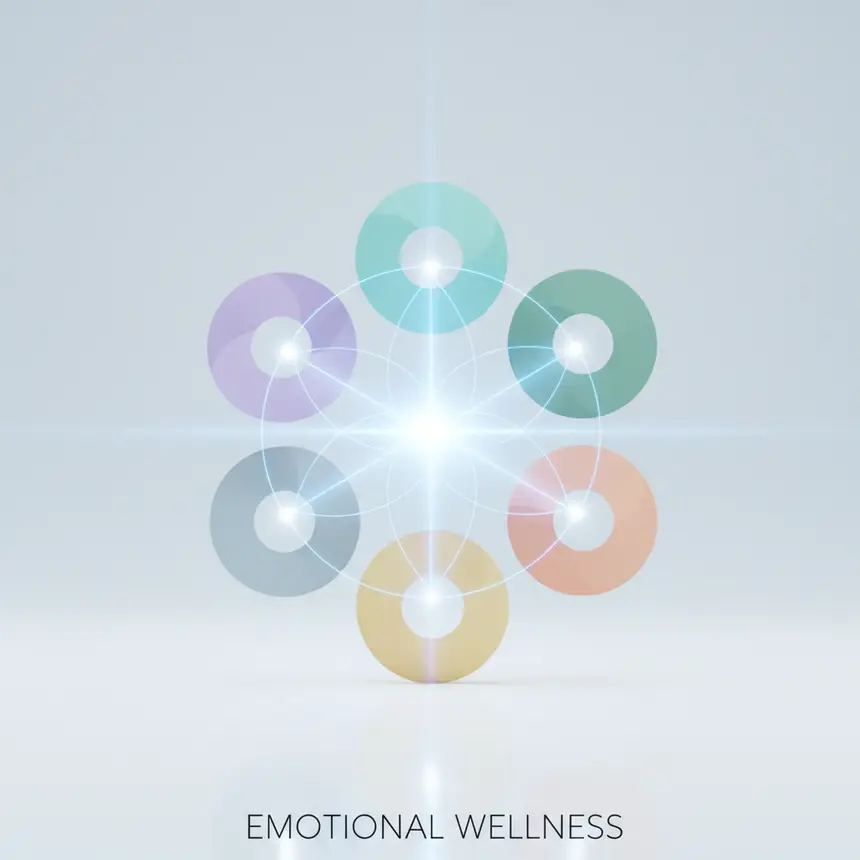
Essential Pillars for a Thriving Life: 7 Core Characteristics of Mental Well-being
Simply being intelligent or capable doesn't guarantee smooth sailing through life's challenges. To lead a truly fulfilling and balanced life, mental fortitude and flexibility are indispensable. Our mental well-being thrives when several important characteristics are in harmony. According to psychological insights, there are seven core pillars that support a robust mental state. These pillars help us understand our emotions, care for ourselves, and interact with the world in healthier ways.
- First, Mindfulness: The capacity to experience and tolerate uncomfortable emotions as they are, rather than avoiding or suppressing them. This is crucial for maintaining composure during difficult moments.
- Second, Curiosity: Embracing an open attitude towards new experiences and perspectives, choosing growth and learning over defensive reactions.
- Third, Self-awareness: The ability to deeply understand one's personality traits, emotional triggers, and recurring behavioral patterns.
- Fourth, Resilience: The strong perseverance to withstand life's setbacks and difficulties, and the ability to bounce back after challenges.
- Fifth, Empathy: The capacity to understand and consider the feelings and perspectives of others, essential for forming healthy relationships.
- Sixth, Communication: Effectively conveying one's thoughts and feelings while also genuinely listening to and understanding others' needs and expectations.
- Seventh, Playfulness: A flexible approach to unpredictable situations, finding positive and creative joy in life.
※ This post contains affiliate links. I may earn a commission at no extra cost to you.


Building Emotional Strength Daily: Crafting a Sustainable Emotional Regulation Routine
Just as our physical muscles require consistent exercise, our emotional muscles are strengthened through continuous `emotional training`. While it's not possible to perfectly control all emotions overnight, we can gradually build inner strength by consistently practicing small habits. Here are some concrete methods to help you establish an emotional regulation routine in your daily life.
- Daily 5-minute Mindfulness Meditation: Dedicate 5 minutes each morning or before bed to sit quietly, focusing on your breath and bodily sensations. Practice observing thoughts or feelings as they arise without judgment. This significantly enhances your ability to tolerate discomfort.
- Emotional Journaling: Make a habit of writing down the emotions you experience throughout the day and the events that triggered them. Observing what situations evoke certain feelings and how you react to them is an effective way to boost self-awareness. Discovering patterns can help you understand your emotional vulnerabilities and strengths.
- Embrace New Experiences: Challenge yourself to new experiences or learning opportunities you might normally avoid. Small attempts, such as picking up a new hobby or exploring an unfamiliar place, can stimulate curiosity and foster a growth mindset.
- Practice 'I-Statements': In conflict situations, instead of blaming others, practice expressing your feelings and needs honestly, using phrases like 'I feel...' This helps reduce misunderstandings and promotes healthy communication. Additionally, make it a habit to listen actively, allowing others to finish speaking without interruption.

The Journey to a Stronger, Happier Self: Consistency Over Perfection
The ability to manage emotions is not something we are born with; it's a skill developed through consistent effort. The `emotional training` we've discussed isn't a destination reached overnight, but a journey of gradual growth through small, repeated practices in our daily lives. There will be times when you feel frustrated, or when things don't go as planned, leading to disappointment. However, what's crucial is the process of consistent effort itself, rather than the pursuit of perfection. Just like building physical strength, where you can't do many push-ups initially but improve with repetition, our emotional resilience also grows stronger and more flexible through training. During this process, it's important to practice self-compassion, being kind to yourself and celebrating small victories. Nurturing your inner self and managing your emotions healthily is one of the most valuable investments you can make. This journey will lead you to a stronger, happier version of yourself.
Frequently Asked Questions
Q. What exactly is emotional training?
A. Emotional training refers to the systematic process of developing one's ability to understand, healthily regulate, and positively guide their emotions. It aims to effectively cope with emotional challenges and enhance overall mental well-being and quality of life.
Q. Why is emotional training so important?
A. Emotional training is crucial for managing stress, improving interpersonal relationships, enhancing decision-making skills, and increasing overall life satisfaction. The ability to manage emotions well provides the inner strength to recover from difficult situations and to continue moving towards our goals.
Q. What are some simple ways to start emotional training in daily life?
A. Simple ways to begin emotional training include practicing mindfulness meditation for a short period daily, focusing on your breath and body sensations; keeping an emotional journal to record feelings and their triggers; and cultivating an open attitude toward new experiences. Starting with small, consistent practices is key.
Q. What if I experience very strong negative emotions during emotional training?
A. It's a natural part of emotional training to experience strong negative emotions. When this happens, try to acknowledge and observe the emotion rather than suppressing it. If needed, take a break from training to engage in comforting activities or consider seeking professional support. The most important thing is to be compassionate towards yourself.