Discover how breath meditation and mindfulness can help you navigate daily challenges, relieve stress, and achieve greater emotional balance. Explore practical techniques for a calmer mind.

Navigating the Tides of Emotion in a Busy World
Modern society is filled with vast information and unpredictable situations. This can often lead to a cluttered mind and suddenly sweep us into emotional turmoil. Work pressure, relationship challenges, and vague anxieties about the future are common factors that can disrupt our emotional balance. When we feel adrift in a stormy sea, we yearn for inner peace. In such moments, the ability to focus inward, understand, and manage the flow of our emotions becomes crucial, rather than trying to control external circumstances. Breath meditation and mindfulness can serve as powerful tools to support us through these times.
The Power of Mindfulness: Listening to Your Inner Voice
Our emotions are natural responses to external stimuli, yet sometimes we can become overwhelmed by them. To truly understand and manage our feelings, we first need to practice observing our inner self objectively. Mindfulness is at the heart of this practice. It involves intentionally paying attention to the present moment, noticing our thoughts, emotions, and physical sensations exactly as they are, without judgment. This helps us step back from automatic reactions, allowing us to observe our emotional states from a distance. It's like looking at your reflection in a mirror, clearly recognizing your internal condition. This observation grants us the power to choose how we respond, rather than simply reacting emotionally. This ability to make conscious choices is the true value of mindfulness.
※ This post contains affiliate links. I may earn a commission at no extra cost to you.

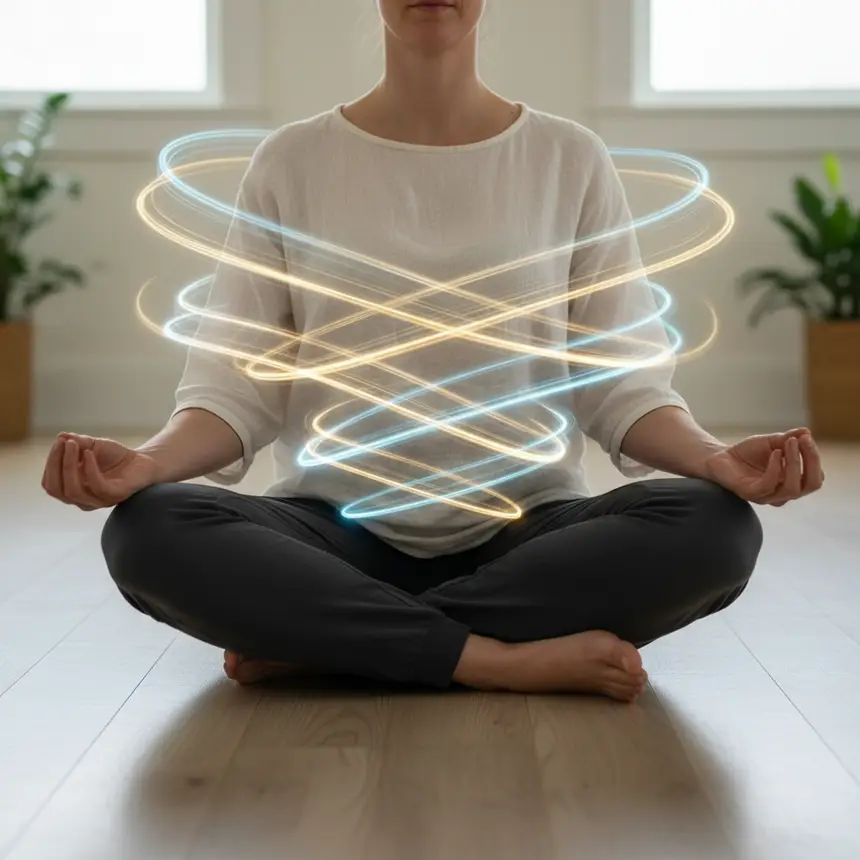
Practical Habits for Restoring Emotional Balance
Emotional regulation is not an abstract concept; it's a concrete routine you can consistently practice in your daily life. The first involves a focus exercise through breath meditation. Find a comfortable position, sitting or lying down, close your eyes, and fully concentrate on your breath. As you inhale and exhale, count from 'one' to 'five,' then count back down from 'five' to 'one,' repeating the cycle. If your mind wanders, gently guide your attention back to your breath. This simple counting acts as a powerful anchor, keeping your mind rooted in the present moment. The second is a self-compassion and connection practice that fosters emotional purification. With closed eyes, quietly repeat these messages to yourself: "I'm sorry, Please forgive me, Thank you, I love you." These phrases help awaken feelings of forgiveness, gratitude, and love towards yourself, and can even extend positive energy to those around you and all beings in the world. Both of these habits, even in short durations, can effectively calm a scattered mind and shift you into a more positive emotional state.

Lasting Peace Through Consistent Emotional Care
Emotional regulation is not something achieved overnight. By consistently tending to our minds, even in small ways each day, we can strengthen our inner resilience. The breath meditation and self-purification habits introduced today don't require special equipment or a lot of time. Dedicate just 5 or 10 minutes to yourself to practice them. Initially, it might feel unfamiliar or difficult to focus, but with consistent repetition, you will gradually become more aware of your emotions and develop the strength to maintain composure even in unpredictable situations. These small, consistent practices accumulate to bring significant positive changes to our lives, enabling us to face the world with a healthier, more balanced mind. Why not start your journey towards inner peace by focusing on yourself right now?
Frequently Asked Questions
Q. Can beginners easily start breath meditation?
A. Yes, absolutely. While focusing on your breath might feel unfamiliar at first, counting from 1 to 5 and back is a fundamental technique that helps beginners ease into the practice. Start with short periods and gradually increase the duration.
Q. What do 'I'm sorry, Please forgive me, Thank you, I love you' mean?
A. These four phrases are used to heal your relationship with yourself, strengthen connections with others, and cultivate a positive attitude towards the world. They are powerful tools for forgiving past mistakes, being grateful in the present, and expressing love for yourself and those around you.
Q. Can even a short amount of time help with emotional regulation?
A. Yes, it can be very beneficial. Consistent practice for even 5 to 10 minutes a day can positively impact by reducing mental distraction and lowering emotional reactivity. Consistency is key.
Q. What meditation method is effective for severe stress?
A. When experiencing severe stress, breath meditation is particularly effective. Deep, slow breathing encourages the body's relaxation response, helping to lower stress hormone levels. Additionally, self-compassion meditations like the 'I'm sorry, Please forgive me, Thank you, I love you' practice can also help calm the mind.
Q. Are there tips for consistently practicing these methods?
A. Creating a routine by practicing for a short period at the same time each day is important. You can set smartphone reminders or dedicate time immediately after waking up or before going to bed. Also, briefly jotting down changes in your mood after meditation can serve as a great motivator.