Feeling anxious amidst life's unpredictability? Discover practical ways to find inner calm through structured approaches and mind management habits. Boost your predictability and reclaim psychological peace.

Everyday Anxiety: Where Does It Come From?
Our modern world is often in flux, filled with unpredictable circumstances. Whether it’s the uncertain traffic on your commute, unexpected problems arising at work, or emotional shifts within complex relationships, the uncertainties in various aspects of life can subtly build up a sense of anxiety within us. It’s akin to driving through a thick fog; we feel a constant inner tension, unsure of our direction or what sudden events might occur. This unpredictable environment often triggers stress, eroding our mental peace and draining our vitality. More than just an inconvenience, it can significantly diminish our overall quality of daily life. When faced with such anxiety, we frequently feel a sense of powerlessness and hesitate to embrace new challenges. However, these feelings are not merely something to be avoided; they are within our capacity to understand and systematically manage.

The Root Cause of Anxiety and the Power of a Predictable Mind
One of the primary root causes of anxiety in our minds is the perception of 'loss of control' and 'unpredictability.' The human brain instinctively becomes wary of unknown situations, immediately sending anxiety signals when potential threats are detected. While this response is crucial for survival, in contemporary society, it can lead to excessive anxiety that detracts from our quality of life. The first step towards alleviating this anxiety is to progressively build a 'predictable environment.' This doesn't merely mean controlling external circumstances, but rather shifting our internal way of perceiving and interpreting situations. Instead of confronting a complex or daunting task all at once, we can utilize a 'gradual exposure' approach, breaking it down into smaller, more manageable units until we become familiar with each part. For instance, when learning a new skill or adapting to an unfamiliar setting, focus on mastering the fundamental elements step-by-step, accumulating small successes along the way. Through this process, we reclaim a sense of 'psychological control'—the belief that we can understand and manage the situation. This feeling of control is a vital driving force that effectively reduces anxiety and boosts self-confidence.
※ This post contains affiliate links. I may earn a commission at no extra cost to you.

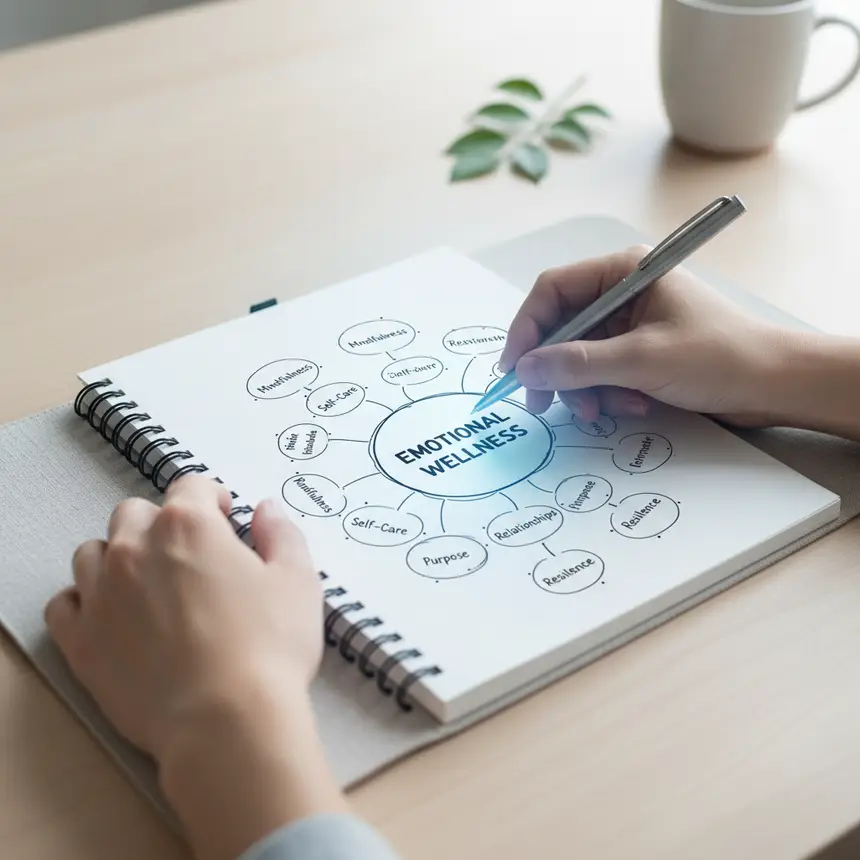
Practical Mind Management for Psychological Stability
There are several practical methods for creating a more predictable environment and reducing anxiety:
- Utilize Mental Simulation: Just as you might rehearse a script before a major presentation or difficult conversation, visualize upcoming situations in detail. Identify potential variables and plan your responses in advance. This practice can reduce your likelihood of being overwhelmed in real-time and establishes a foundation for calmer reactions.
- Cultivate Confidence Through Positive Self-Talk: Delivering positive messages to yourself is incredibly important. Affirmations like 'I can overcome this situation' or 'I am well-prepared' can quiet inner fears and foster a more positive mindset.
- Intentionally Create Small Successes: Instead of aiming for grand achievements, set minor, actionable goals that you can accomplish today. Achieving these small targets builds a sense of accomplishment, laying the groundwork for confidence in tackling larger challenges. For example, mediating for five minutes each morning or finding specific information are small wins that collectively lead to significant change.
Frequently Asked Questions
Q. What are the main reasons people experience everyday anxiety?
A. The primary cause of everyday anxiety is often a feeling of lost control when faced with unpredictable situations. New environments, uncertain futures, and unexpected challenges can all contribute to a restless mind.
Q. How can I maintain psychological stability in unpredictable situations?
A. In unpredictable situations, preparing through 'gradual exposure' and 'mental simulation' can be effective. It's beneficial to familiarize yourself with the situation in small steps and to mentally rehearse possible scenarios to prepare your responses.
Q. What exactly does 'building a predictable environment' mean?
A. It means regaining a sense of psychological control by changing how you perceive and interpret situations, rather than trying to control external environments completely. It involves identifying uncertain elements and planning countermeasures to enhance your sense of stability.
Q. How do small successes help in alleviating anxiety?
A. Small successes boost self-efficacy and infuse confidence. By achieving minor goals, you reinforce a positive self-perception of 'I can do this,' which provides the motivation and courage needed to overcome larger anxieties.