Do you want to express your feelings honestly while also considering others? Discover practical ways to boost your self-esteem and build harmonious relationships through healthy emotional expression. Learn communication skills that respect both yourself and others.

The Unseen Walls of Unspoken Feelings
Imagine a moment when a minor disagreement leaves you feeling upset. Instead of voicing your hurt or frustration, you swallow your feelings, perhaps thinking, 'It's not a big deal,' or 'Speaking up will only make things awkward.' This internal silence often creates a subtle barrier, making your connection with the other person feel less genuine. This experience isn't unique to children; adults frequently find themselves in similar situations, struggling to articulate their emotions due to awkwardness or fear of negative reactions. However, this lack of genuine emotional expression can subtly erode your inner self-esteem and inadvertently build walls in your relationships. It's a common human tendency to avoid discomfort, but understanding and acknowledging these moments is the first step toward genuine emotional wellness.
The Ripples of Suppressed Emotions
When emotions are not properly expressed and instead are held inside, they can create significant psychological ripples. What begins as a small feeling of hurt or discomfort can, over time, transform into vague irritation or even anger. Much like small drops of water accumulating into a powerful current, unresolved emotions clash within, leading to mental exhaustion. This emotional shift can influence our thoughts and behaviors, making us more sensitive than usual or easily hurt by minor comments from others. If this pattern continues, it can diminish self-trust and hinder our ability to form healthy connections. The habit of suppressing emotions can lead to a lack of self-respect, which in turn contributes to lower self-esteem. It's crucial to acknowledge that our emotions are natural and to practice expressing them in a healthy way.
※ This post contains affiliate links. I may earn a commission at no extra cost to you.


Beginning the Journey of Emotional Fluency
So, how can we express our emotions constructively and maintain healthy relationships? The most crucial first step is to accurately identify and name your feelings. Ask yourself, 'What am I truly feeling right now?' Instead of a vague 'I feel bad,' try to define it with specific words like 'I feel hurt,' 'I feel worried,' or 'I feel tired.' This process is the first step to becoming the master of your emotions. Next, practice using 'I' statements when expressing your feelings. For example, instead of saying, "You made me angry when you did X," try "I feel angry when X happens." This "I-statement" technique helps you communicate your feelings honestly without blaming or attacking the other person. Furthermore, it requires courage to honor and express your feelings rather than pre-emptively worrying about others' reactions. With consistent practice, emotional expression will become more natural and empowering.
Practical Habits for Daily Emotional Expression
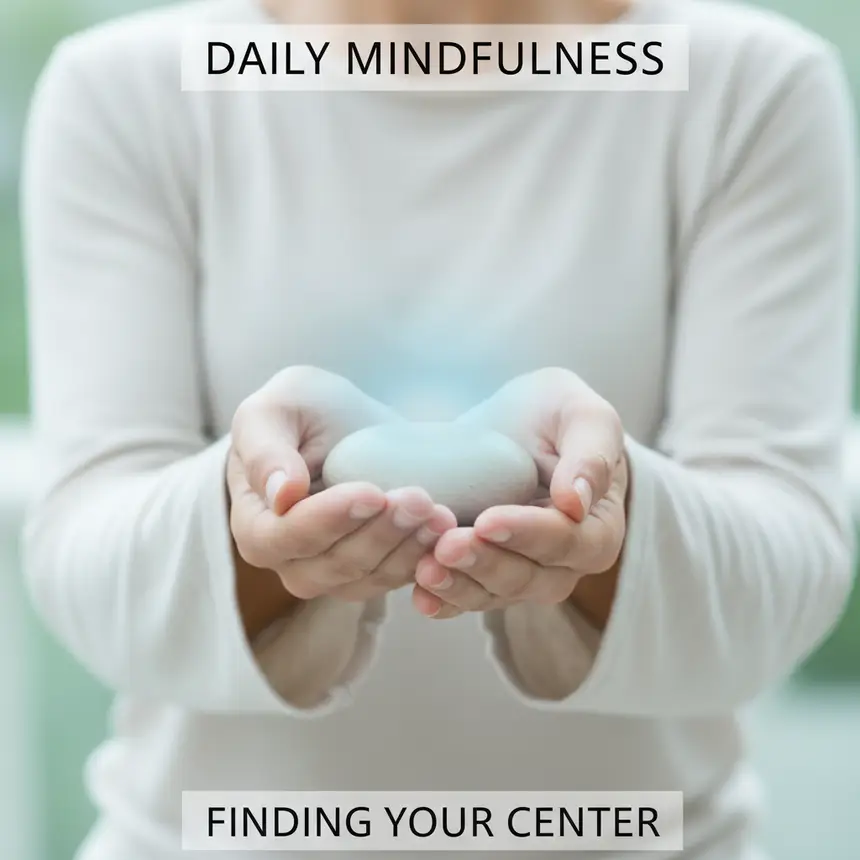
Emotional expression is a skill that grows with consistent daily practice. Here are a few concrete methods you can start today:
- Keep an Emotion Journal: Take time to record the emotions you felt throughout the day, reflecting on what situations triggered specific feelings. This helps you understand your emotional patterns and view yourself more objectively.
- Practice 'I' Statements: When talking about your feelings with family or friends, try constructing sentences like, "I feel [emotion] when [situation] happens." It might feel awkward at first, but it will gradually become an effective communication tool.
- Empathetic Listening: When listening to others, go beyond just hearing their words. Try to understand what emotions they might be experiencing. Practicing empathy for others' feelings positively impacts your ability to express your own.
- Create a List of Emotional Phrases: Compile a list of common emotional phrases you might use, such as "I felt disappointed," "I was hurt by that," or "I'm still not feeling great." Practicing these can help you articulate your feelings more clearly in tense situations.
The Deeper Connection Forged by Authenticity
The ability to express your emotions honestly and healthily is more than just a communication skill; it positively influences every aspect of your life. When you acknowledge and respect your feelings as they are, you begin to perceive yourself as a more valuable individual. This forms a crucial foundation for building unshakeable self-esteem. Furthermore, genuine emotional expression fosters deeper and more meaningful relationships with others. Communication that understands and respects each other's feelings reduces misunderstandings and builds trust, ultimately helping to create more harmonious and lasting connections. Starting today, listen to your feelings and begin practicing healthy ways to express them. These small efforts will collectively strengthen your inner self and enrich your relationships with those around you.
Frequently Asked Questions
Q. Will others be uncomfortable if I express my feelings honestly?
A. Healthy emotional expression isn't about blaming or attacking others. It's about genuinely communicating your feelings using "I statements." This approach gives others an opportunity to understand your perspective and helps reduce unnecessary misunderstandings.
Q. Can someone with low self-esteem learn to express emotions effectively?
A. Yes, practicing emotional expression is highly effective for boosting self-esteem. The very process of acknowledging and articulating your feelings leads to a greater sense of self-respect. Consistent practice can improve both your self-esteem and emotional expression skills.
Q. At what age is emotional expression practice most effective?
A. While emotional expression skills are crucial throughout life, they are particularly beneficial when practiced intensively during childhood and adolescence, a period of active emotional development. Of course, adults can also learn and improve these important skills at any time.
Q. How does effective emotional expression positively impact relationships?
A. When emotions are expressed honestly and appropriately, misunderstandings decrease, and mutual understanding and trust deepen, making relationships more resilient. It also helps in finding constructive solutions during conflicts.
Q. I'm very new to emotional expression and don't know where to start.
A. The easiest first step is to start an emotion journal. Begin by objectively recognizing your feelings each day, noting what situations triggered them. As you become more familiar with your emotions, you'll naturally discover ways to express them.