Discover how to gently explore and record your inner emotions to deepen self-understanding amidst a busy life. Cultivate psychological habits in harmony with nature for emotional stability and fresh insights.

Navigating the Storm: When Daily Life Overwhelms Our Inner Landscape
In the relentless rush of modern life, amidst the constant demands of work, relationships, and urban noise, it's all too easy to lose track of our own emotional currents. A lingering sense of fatigue or an undefined anxiety can settle deep within, leading to a feeling of disconnection from our true selves. We might feel like a small boat adrift in a tempest, struggling to find direction in the turbulent waves of our feelings. At such times, what we truly need is a deliberate pause—a moment to halt everything and truly listen to the whispers of our inner world. Stepping away from external distractions to calmly observe the messages our emotions are sending becomes a vital first step in rediscovering and re-centering ourselves.

The Unseen Buildup: How Unacknowledged Emotions Affect Our Balance
Amidst our busy schedules, it's common to overlook the subtle shifts in our emotional state. Feelings like irritability, melancholy, or apathy are often dismissed as mere fatigue or 'just one of those days.' However, these unaddressed emotions don't simply vanish; they accumulate in the hidden corners of our minds, gradually disrupting our inner harmony. What initially feels like minor emotional residue can, over time, escalate into a persistent sense of unease, anxiety, and even physical discomfort. Much like a small pebble dropped into water creates ever-widening ripples, ignored emotions can eventually unsettle our peaceful daily lives. This process makes it difficult to discern our genuine needs and feelings, trapping us in repetitive, unfulfilling patterns. Neglecting to acknowledge and process our emotional flow can ultimately lead us into deeper states of confusion and disarray.
※ This post contains affiliate links. I may earn a commission at no extra cost to you.

Reconnecting Within: Finding Clarity Through Nature and Self-Exploration
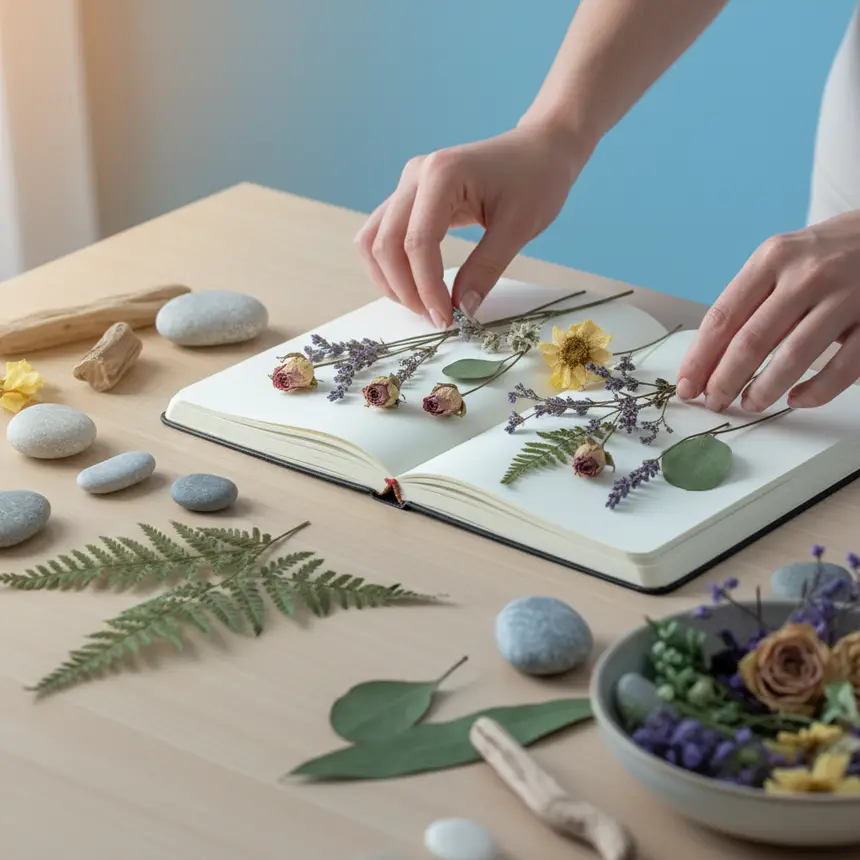
To restore inner balance and find genuine peace, dedicated time for self-focus is essential. This goes beyond mere relaxation; it involves a deeper exploration of our emotions, thoughts, and how we interact with our environment. Spending time in natural settings, such as forests or quiet outdoor spaces, provides an ideal backdrop for this journey of self-understanding. A simple walk along a forest path, listening to the gentle murmur of a stream, or gazing at the sky from a hammock can calm a busy mind. Furthermore, engaging in creative activities with our hands can help organize thoughts and positively redirect internal energy. For instance, focusing on the tactile sensations during a simple craft project can bring a sense of peace, or preparing aromatic herbal teas can stimulate the senses. These experiences serve as powerful tools for gathering scattered emotional fragments and fostering a more integrated understanding of oneself.

Cultivating Emotional Well-being: Practical Daily Habits
For sustained emotional stability, it's more effective to build small, consistent habits into our daily lives rather than waiting for grand plans. Here are concrete methods to foster self-understanding and emotional management:
- 1. Emotional Journaling: Dedicate just 5 minutes before bed each day to freely record the emotions you experienced. Noting when and why certain feelings arose can significantly help in understanding your emotional patterns.
- 2. Five Senses Meditation: Find a quiet space, close your eyes, and focus on your five senses—the sounds around you, the feel of the air, any scents you detect. This practice helps ground you in the present moment and calms the mind.
- 3. Engage with Nature: Take a short walk in a park during your lunch break or simply gaze out a window at a tree. Connecting with nature helps reduce stress and recharges your energy.
- 4. Creative Engagement: Activities like simple drawing, handwriting, or cooking that involve your hands can soothe the mind and provide a sense of accomplishment. Focus on the process, not perfection.
- 5. Create Small Rituals: Start your day by mindfully sipping a cup of tea and thinking of things you're grateful for, or end it with a brief candlelit meditation. These small personal rituals can positively frame your day and bring a sense of closure.
Your Journey to Inner Peace: Starting Today
Our emotions are like living organisms; they require consistent attention and care. While they can sometimes become tangled and confusing, each feeling serves as a valuable clue to understanding ourselves better. The process of recording forgotten emotions, reflecting on oneself in nature, and tuning into inner voices through small daily habits is more than just self-management—it's a genuine journey of discovering your true self. This path helps cultivate a strong inner foundation, one that remains steady amidst uncertainty, and enriches every moment of life. Starting today, consider planting and nurturing seeds in your inner garden. These seeds will undoubtedly blossom into beautiful fruits of peace and wisdom in your life. Why not take the small step of facing and documenting your emotions right now?
Frequently Asked Questions
Q. How does emotional journaling contribute to emotional stability?
A. Emotional journaling helps you objectively identify your emotional patterns and bring to light unacknowledged feelings for processing. This increases self-understanding, reduces stress and anxiety, and enhances overall emotional stability.
Q. Why is connecting with nature important for mental well-being?
A. Nature stimulates our senses, stabilizes heart rate, and lowers stress hormone levels. Exposure to natural environments like forests or bodies of water calms the mind, improves focus, and helps strengthen psychological resilience.
Q. I find it hard to make time for emotional reflection in my busy daily life. Any tips?
A. Instead of aiming for large blocks of time, utilize short bursts of 5-10 minutes. Try journaling your emotions in a notebook during your commute instead of using your phone, or take a few deep breaths while looking out the window during lunch. The key is to integrate it as a small routine into your everyday life.
Q. When I struggle to identify and express my emotions, what activities might help?
A. If direct verbal expression is difficult, try non-verbal methods. Creative activities like drawing, listening to music, dancing, or sculpting with clay can help you indirectly express and understand your inner feelings. Also, noting the emotions evoked by specific scents or colors can be a helpful approach.
Q. What are some easy mind management techniques I can apply immediately when feeling significant psychological pressure?
A. Deep, slow breathing is effective in immediately activating the parasympathetic nervous system to calm the mind. Sit in a comfortable position and repeat diaphragmatic breathing several times: inhale for 4 seconds, hold for 7 seconds, and exhale for 8 seconds. Slowly sipping a warm cup of tea or briefly listening to your favorite music are also good immediate strategies.