Discover practical ways to manage tension and fatigue caused by prevalent stress hormones. Understand psychological triggers and improve daily habits to regain emotional balance.

The Relentless Grip of Tension: How It Affects Our Body and Mind
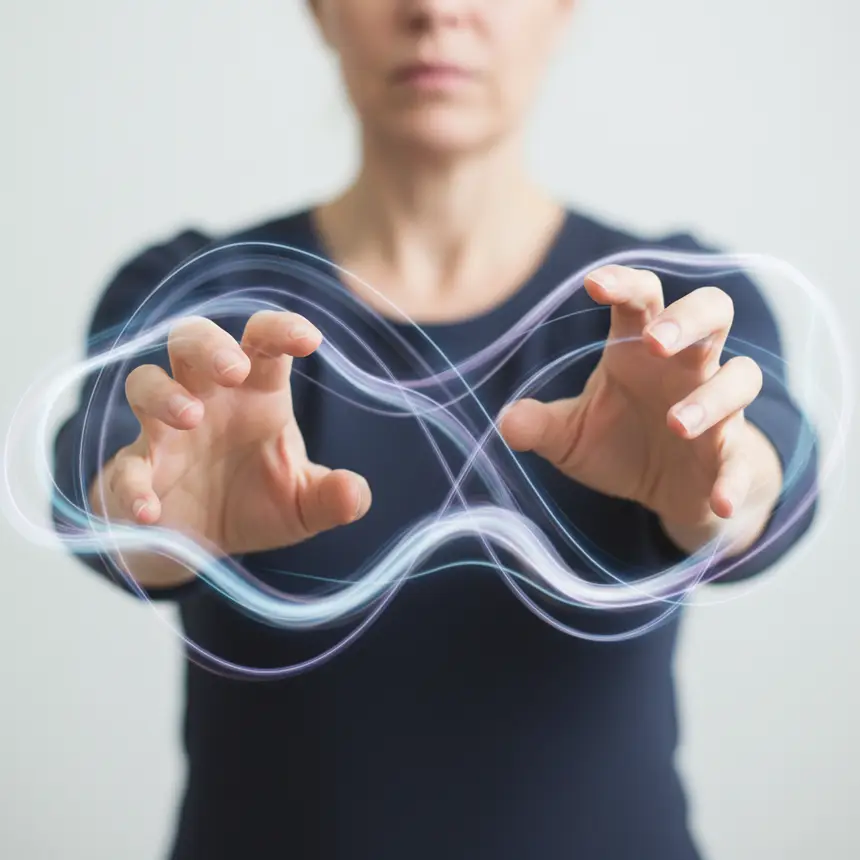
In our modern lives, tension often becomes an unwelcome constant. Amidst project deadlines, unexpected changes, and the ceaseless pings of digital notifications, our bodies and minds struggle to switch into a restful state. When this becomes chronic, our heart rate may remain elevated, and we might find ourselves startled by minor stimuli, keeping our systems in a perpetual state of alert. This can lead to waking up still feeling tired, even after a full night's sleep, trapping us in a cycle of fatigue. This sustained tension isn't just about feeling off; it can impair concentration, reduce memory recall, and diminish overall vitality. It’s crucial to listen to our body's signals and observe if our heart rate struggles to normalize after work, or if we react sensitively to small triggers.
The Impact of Uncertainty and Loss of Control on Our Emotional State
Several psychological factors contribute to our bodies maintaining this constant state of vigilance. Modern society, in particular, is rife with unpredictable elements. For instance, sudden work requests, frequently shifting plans, and work-related messages that extend into personal time significantly erode our sense of control. In such environments, our brain struggles to receive the 'it's safe to relax' signal. The body continues to brace for potential threats, which continuously depletes our psychological resources and energy. Consequently, a pattern where arousal takes precedence over recovery becomes entrenched, leading to intensified mental and physical exhaustion. A valuable first step here is to identify one element in your daily life that you feel least able to control.
※ This post contains affiliate links. I may earn a commission at no extra cost to you.

Rebalancing Your Overloaded Emotional System with Everyday Adjustments
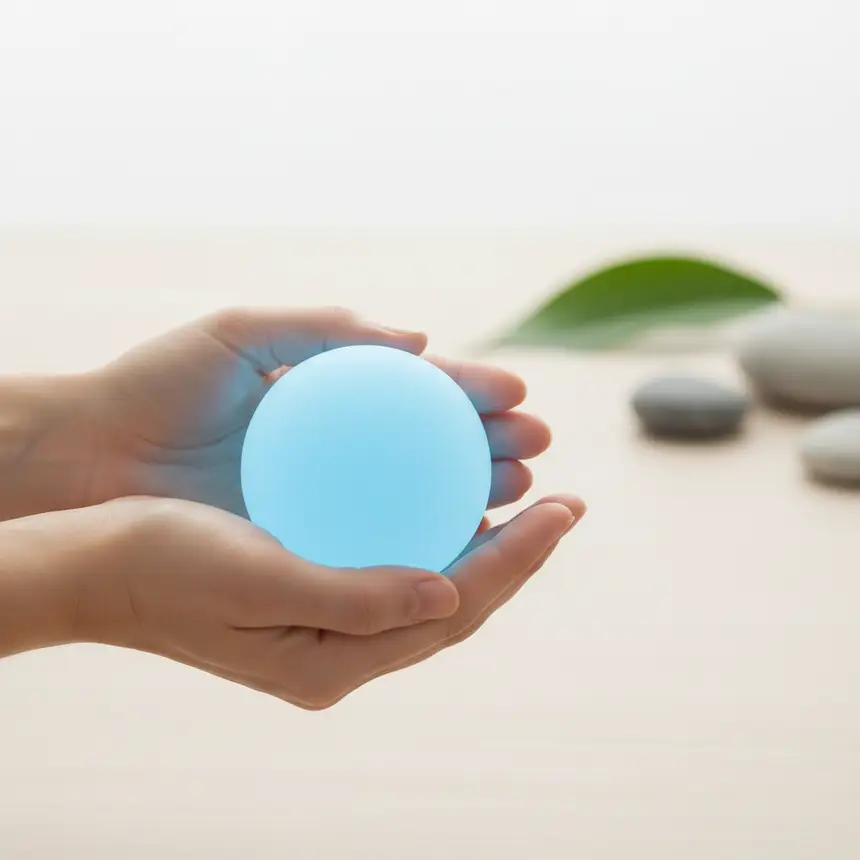
To break free from persistent tension, implementing structural changes in lifestyle and thought patterns can be highly effective. Here are practical approaches that can help rebalance your emotional system:
Why not start today by incorporating a 10-minute meditation or gentle stretching routine after work?
- Regulate Your Biological Rhythms: Strive to keep meal times as consistent as possible and avoid caffeine consumption late in the afternoon. This helps reduce drastic fluctuations in blood sugar and alertness, contributing to a more stable rhythm and lessening excessive arousal.
- Establish Boundary Habits: Practice delaying immediate reactions. When an urgent-seeming request comes in, take a moment to breathe deeply and re-evaluate your priorities before responding. Additionally, create personal 'end-of-workday signals,' such as a short walk, listening to specific music, or taking a warm shower, to clearly delineate the psychological boundary between work and personal life.
- Connect Mind and Body: Instead of strenuous workouts, incorporate light cardio or stretching 3-4 times a week. Gentle physical movement helps release physical tension and promotes mental relaxation through bodily awareness.
- Nutritional Support: Certain nutrients can aid in promoting calm and well-being. For example, amino acids known to support relaxation, plant extracts that may help with fatigue, and minerals essential for nerve and muscle function. Consulting a professional to consider appropriate nutritional supplements for your needs can be beneficial.
Why not start today by incorporating a 10-minute meditation or gentle stretching routine after work?

Sustaining Emotional Well-being: Building Your Resilience Muscle
Maintaining mental tranquility and a stable emotional state is not a short-term goal but a journey requiring consistent effort. As you integrate the methods mentioned above into your daily life, you might not notice significant changes immediately. However, consistency and patience in your practice are key. These small, consistent efforts accumulate, helping your body and mind recover more quickly from stressful situations and build stronger resilience. While it may be challenging to be completely free from stress, it is entirely possible to reduce the intensity and duration of your body's stress response. I encourage you to find methods that resonate with you, practice them regularly, and take a moment each week to reflect on whether your 'stress-relief signals' functioned effectively. Consistent emotional management is a crucial investment in a healthier, more balanced life.
Frequently Asked Questions
Q. Why does modern life seem to amplify stress?
A. Modern society is often characterized by information overload, unpredictable schedules, and external stimuli that extend beyond our personal control. This environment forces our brains into a continuous state of vigilance, hindering natural relaxation and recovery processes, which can intensify stress levels.
Q. How does diet influence my stress levels?
A. Yes, diet plays a significant role in stress management. Irregular eating habits and excessive caffeine intake can cause sharp fluctuations in blood sugar and alertness, placing unnecessary stress on the body. Regular meals and balanced nutrition help maintain the body's stable rhythm and regulate stress responses.
Q. Can creating a 'workday end signal' really make a difference?
A. Absolutely, it can be very helpful. A 'workday end signal' serves to establish a clear psychological boundary between your work life and personal life. This routine helps your brain recognize that it's 'safe to relax now,' effectively reducing work-related tension that might linger after hours and promoting mental unwinding.
Q. What types of exercise are best for managing stress?
A. For stress management, gentle aerobic exercises or stretching can be more effective than high-intensity workouts. Activities like walking, yoga, or Tai Chi, which don't overtax the body but help alleviate physical tension and promote mental peace, are beneficial. Regular activity for about 30 minutes, 3-4 times a week, is often recommended.