Struggling with panic disorder, depression, PTSD, or low self-esteem? Discover practical emotional management techniques and the first steps towards a healthier life and inner peace in this article. Small self-care habits can initiate significant change.

You Are Not Alone in Your Emotional Struggles
In our modern world, many individuals face overwhelming stress and emotional challenges. Sometimes it's a sudden, impactful event, other times it's persistent pressure that threatens our mental well-being, manifesting as panic disorder, depression, or post-traumatic stress disorder (PTSD). Consequently, many experience a significant drop in self-esteem, losing their zest for life. While you might feel isolated in these emotional storms, it's important to remember that countless others navigate similar difficulties, and a clear path to healing exists. This article aims to explore the initial steps you can take to reclaim inner peace and embark on a journey of healthy recovery.
How Extreme Stress Impacts Your Body and Mind
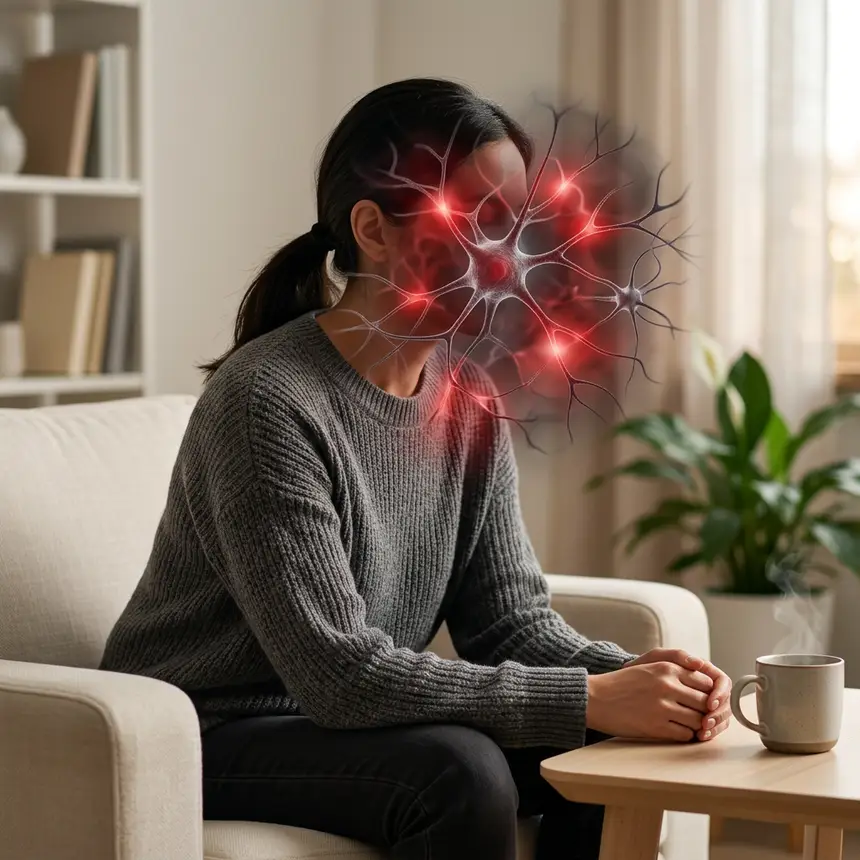
Overwhelming events or prolonged pressure can lead to profound physiological changes beyond simple mood shifts. For instance, severe psychological trauma, such as marital infidelity, ranks exceptionally high on the Holmes-Rahe Stress Inventory, scoring 70-80 points. This is considered a greater stressor than the death of a close family member or imprisonment (both 63 points), indicating a potentially life-threatening level of impact.
In such stressful situations, our bodies release excessive amounts of stress hormones like adrenaline and cortisol, maintaining a constant 'fight-or-flight' state. This can lead to an overloaded heart and an imbalanced autonomic nervous system, often resulting in physical symptoms like heart palpitations, anxiety, restlessness, insomnia, and extreme fatigue. Chronic stress can suppress parasympathetic nervous system function and elevate cortisol levels, even impairing mucosal secretion, which might manifest as dry mouth or other mucosal dryness. Furthermore, severe shock can impair cognitive functions like short-term memory and judgment, leading to extreme emotional fluctuations including anger, sadness, and self-blame. Given these complex, systemic effects of stress, trying to endure it alone can further exhaust both body and mind.
In such stressful situations, our bodies release excessive amounts of stress hormones like adrenaline and cortisol, maintaining a constant 'fight-or-flight' state. This can lead to an overloaded heart and an imbalanced autonomic nervous system, often resulting in physical symptoms like heart palpitations, anxiety, restlessness, insomnia, and extreme fatigue. Chronic stress can suppress parasympathetic nervous system function and elevate cortisol levels, even impairing mucosal secretion, which might manifest as dry mouth or other mucosal dryness. Furthermore, severe shock can impair cognitive functions like short-term memory and judgment, leading to extreme emotional fluctuations including anger, sadness, and self-blame. Given these complex, systemic effects of stress, trying to endure it alone can further exhaust both body and mind.
※ This post contains affiliate links. I may earn a commission at no extra cost to you.


Three Core Approaches to Restoring Inner Calm
The most crucial aspect of the recovery journey is restoring balance within your body. Here are three key approaches:
1. Calming the Mind and Body Through Autonomic Nervous System Regulation: The first step is to soothe an overactive nervous system. This isn't about suppressing emotions but helping your body find its natural state of calm. Deep breathing exercises, meditation, and gentle physical activity are vital for alleviating excessive tension and inducing a relaxation response.
2. Recharging Your Vital Energy: Stress depletes our body's energy reserves. Adequate nutrition and quality sleep are essential for replenishing these resources, supporting brain function recovery, and promoting emotional stability. Establishing regular routines helps restore your body's natural rhythms, creating an environment where self-healing can occur.
3. Cultivating Positive Mental Habits and a Supportive Environment: While it's easy to get caught in negative thought loops, practicing acknowledging and recording small positive changes can help shift your mindset. Additionally, connecting with trusted individuals or seeking professional help can be crucial in overcoming isolation and finding solutions. The weight of overwhelming emotions can be significantly lightened by sharing them. Make sure to schedule short periods each day for self-care and immerse yourself in enjoyable activities.
1. Calming the Mind and Body Through Autonomic Nervous System Regulation: The first step is to soothe an overactive nervous system. This isn't about suppressing emotions but helping your body find its natural state of calm. Deep breathing exercises, meditation, and gentle physical activity are vital for alleviating excessive tension and inducing a relaxation response.
2. Recharging Your Vital Energy: Stress depletes our body's energy reserves. Adequate nutrition and quality sleep are essential for replenishing these resources, supporting brain function recovery, and promoting emotional stability. Establishing regular routines helps restore your body's natural rhythms, creating an environment where self-healing can occur.
3. Cultivating Positive Mental Habits and a Supportive Environment: While it's easy to get caught in negative thought loops, practicing acknowledging and recording small positive changes can help shift your mindset. Additionally, connecting with trusted individuals or seeking professional help can be crucial in overcoming isolation and finding solutions. The weight of overwhelming emotions can be significantly lightened by sharing them. Make sure to schedule short periods each day for self-care and immerse yourself in enjoyable activities.

Practical Daily Routines for Recovery
Rather than attempting drastic changes all at once, consistent small practices in your daily life are key. Here are some routines that can help you regain inner peace:
1. Morning Meditation or Deep Breathing (5-10 minutes): Before starting your day, find a quiet space, close your eyes, and focus on your breath. Repeat the process of inhaling deeply and exhaling slowly to relax your body and mind. This helps balance your autonomic nervous system.
2. Regular Meals and Gentle Exercise: Eat regular meals to maintain stable blood sugar and energy levels. Increase physical activity with gentle exercises like walking or stretching. Exercise reduces stress hormones and promotes the release of feel-good hormones.
3. Gratitude Journal or Positive Experience Log: Briefly record one or two good things or things you're grateful for each day. This helps break negative thought patterns and shifts your attention to positive aspects, improving overall emotional well-being.
4. Sufficient Sleep: Sleep is the most critical time for your body and mind to recover. Before bed, avoid screen time and create a bedtime ritual, such as taking a warm shower or listening to calming music, to promote high-quality sleep.
1. Morning Meditation or Deep Breathing (5-10 minutes): Before starting your day, find a quiet space, close your eyes, and focus on your breath. Repeat the process of inhaling deeply and exhaling slowly to relax your body and mind. This helps balance your autonomic nervous system.
2. Regular Meals and Gentle Exercise: Eat regular meals to maintain stable blood sugar and energy levels. Increase physical activity with gentle exercises like walking or stretching. Exercise reduces stress hormones and promotes the release of feel-good hormones.
3. Gratitude Journal or Positive Experience Log: Briefly record one or two good things or things you're grateful for each day. This helps break negative thought patterns and shifts your attention to positive aspects, improving overall emotional well-being.
4. Sufficient Sleep: Sleep is the most critical time for your body and mind to recover. Before bed, avoid screen time and create a bedtime ritual, such as taking a warm shower or listening to calming music, to promote high-quality sleep.

Embrace the Courage to Change: Believe in Your Inner Strength
Emotional difficulties like panic disorder, depression, PTSD, or low self-esteem do not signify weakness. Instead, they can be evidence that you are carrying significant burdens in life. The recovery process can sometimes be slow and may bring moments of frustration, but every small effort you make will accumulate into significant change. Be kind to yourself, be patient, and do not hesitate to seek help from others when needed. Within you lies incredible resilience and the strength to overcome challenges. Start today by adopting small self-care habits, moving towards a brighter, more peaceful future. You are valuable and deserve happiness.
Frequently Asked Questions
Q. Why do physical symptoms appear during extreme stress?
A. When stressed, our bodies excessively release hormones like adrenaline and cortisol, triggering a 'fight-or-flight' response. This can lead to increased heart rate, elevated blood pressure, impaired digestion, and changes in immune response, among other physical symptoms. If prolonged, it can cause an imbalance in the autonomic nervous system.
Q. What is the very first step to take when self-esteem is low?
A. The first step to recovering self-esteem is to acknowledge and accept your current emotional state as it is, rather than criticizing or judging yourself. It's important to start practicing self-compassion and giving yourself positive feedback for even small achievements. Consulting a professional to help understand yourself can also be immensely beneficial.
Q. What specific daily practices can help regain inner peace?
A. For daily inner peace, several practices are helpful. Spending a short time each day on meditation or deep breathing can calm the mind. Maintaining regular sleep patterns and a balanced diet is also recommended. Additionally, engaging in light exercise like walking and cultivating a habit of noting things you're grateful for or positive experiences each day can be very effective.
Q. How can one cope with severe mood swings caused by stress?
A. When experiencing severe mood swings, it's important to first acknowledge and label your emotions. When feelings become overwhelming, pause what you're doing, take deep breaths, or talk to someone you feel safe with to express your emotions. Seeking help from a mental health professional to learn emotion regulation techniques is also a good approach.