Our beloved pets can experience deep feelings of loneliness and anxiety. Learn to recognize their subtle emotional signals and discover practical ways to protect your pet's mental well-being.

Is Your Pet's Changed Behavior a Cry from the Heart?
Have you ever noticed your beloved pet acting differently than usual? Perhaps they're sleeping more, showing less interest in their favorite toys, or even having accidents in unexpected places. These shifts aren't always just a bad mood or a new habit. Our furry family members, much like us, can experience profound feelings of loneliness or anxiety, and these emotions often manifest in various subtle ways. Understanding cat loneliness, or any pet's emotional changes, often begins with observing these quiet signals. In this article, we'll explore how to interpret your pet's emotional cues and build a stronger, healthier emotional bond with them.

The Deep Bonds Pets Form and Their Unexpected Emotional Isolation
Many people assume that pets, especially cats, are independent creatures perfectly content to be on their own. However, recent animal behavior studies and various reports indicate that pets form deep 'secure attachments' with their owners. This bond is comparable to the attachment a young child feels for their primary caregiver, meaning pets can genuinely experience isolation and anxiety when their owners are not present. Modern lifestyle changes, such as reduced remote work and increased time away from home, have further highlighted the 'separation-related stress' and emotional difficulties pets may face. A pet's emotional well-being relies heavily on their owner's attention and understanding. They depend on us and crave emotional connection far more than we often realize.
※ This post contains affiliate links. I may earn a commission at no extra cost to you.

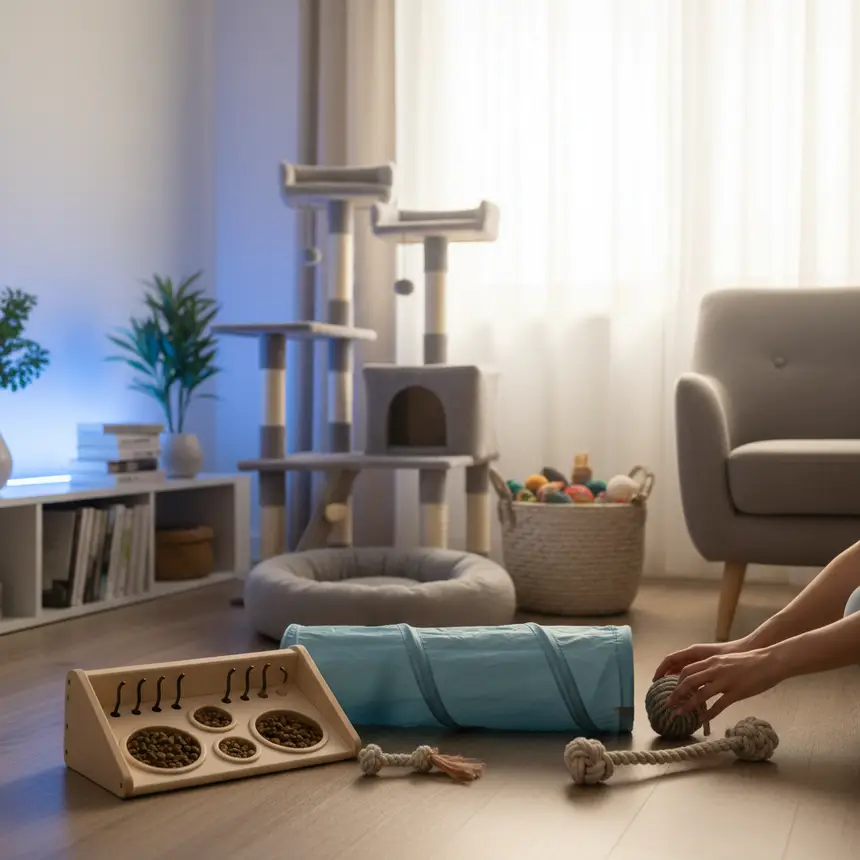
Daily Routines for Your Pet's Emotional Well-being
If you've noticed signs of loneliness or anxiety in your pet, it's crucial to actively comfort and support them. Enhancing their environment and increasing interaction can significantly boost their emotional stability.
- Create an Enriched Environment: It's important to provide various stimuli in your pet's living space. Setting up a comfortable spot by a window allows them to watch the outside world, and leaving out blankets or clothing with your scent can provide a sense of security. Furthermore, puzzle feeders and treat-dispensing toys can combat boredom and offer mental stimulation, helping to relieve stress.
- Ensure Regular Interaction: Dedicating consistent, focused playtime with your pet daily is vital. Play that stimulates their natural hunting instincts (like using a wand toy) helps them expend energy and strengthens your bond. Aim for at least 15 minutes of active play daily, and don't hold back on gentle petting and praise.
- Provide a Stable Routine: Predictable daily routines offer pets significant psychological comfort. Maintaining consistent feeding times, walks, and playtime helps pets anticipate their day, contributing to their peace of mind.

The Warm Heart of an Owner Attuned to Small Changes
Our beloved pets bring immense joy, but they are also beings with emotions as delicate as our own. Even if they don't show it outwardly, they might be struggling with loneliness and anxiety internally. Excessive grooming, unusual vocalizations, house-soiling accidents, lethargy, or changes in eating habits could all be their silent cries for help. Every behavior our pets exhibit is a form of communication. It's essential to pay attention to their subtle changes and approach them with patience and understanding. Your warm attention and consistent interaction will provide profound comfort and stability to your pet's heart. Let's ensure our pets lead happy lives through continuous affection and careful observation.
Frequently Asked Questions
Q. How can I tell if my pet is feeling lonely?
A. Signs that your pet might be experiencing loneliness or anxiety include excessive grooming, unusual vocalizations, lethargy, changes in appetite, sudden house-soiling accidents, or destructive behaviors. If you observe these changes, it might be beneficial to consult a professional or evaluate their living environment.
Q. What can I do to reduce my pet's separation anxiety?
A. Regular playtime helps expend energy, and puzzle toys can alleviate boredom when they're alone. Providing items with your scent, and avoiding overly dramatic goodbyes or excited greetings before and after leaving, can also be helpful.
Q. Can cats experience depression similar to humans?
A. Yes, cats can display symptoms similar to depression due to stress, loneliness, or environmental changes. If you notice reduced activity, loss of appetite or overeating, hiding behavior, or excessive sleeping, consult your veterinarian to identify the cause and find appropriate management strategies.
Q. What preparations can help my pet enjoy their alone time?
A. Providing visual stimulation like a cat tree or scratching post by a window can help. Offering interactive or puzzle toys allows them to engage in enjoyable activities independently. It's also crucial to create a safe and comfortable space where they can feel secure in your absence.