If your teenager is struggling with decreased concentration and lethargy, it might be more than just laziness. Discover practical psychological strategies to restore mental vitality, overcome learning difficulties, and unlock their potential.

Navigating the Adolescent Years: The Invisible Barriers to Learning
Many teenagers encounter an unexpected decline in concentration and a pervasive sense of lethargy during their developmental years. Tasks they once handled with ease now feel overwhelming, and despite sitting down to study, the information struggles to stick. While parents might mistakenly attribute this to a lack of effort, the teenagers themselves often experience deep frustration from their persistent attempts yielding little progress. This isn't merely an issue of laziness; it's often a complex interplay of psychological and physiological changes. Adolescence, in particular, is a period of intense brain development and hormonal shifts, leading to heightened emotional fluctuations and irregular energy expenditure, which frequently impacts learning efficiency. When these changes persist, it can erode academic confidence and even lead to a loss of motivation in daily life. A good first step is to objectively understand one's own concentration patterns and energy levels, perhaps by journaling daily observations.
Beyond Willpower: Understanding Cognitive Stamina and Brain Health in Teens
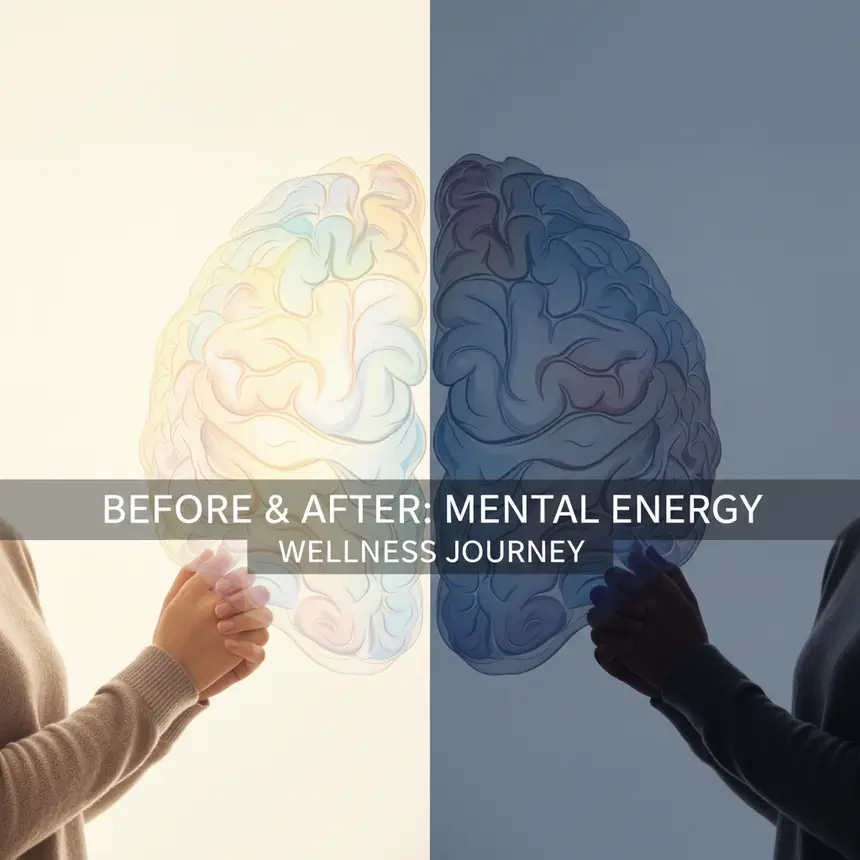
The reason decreased concentration and lethargy cannot be simply dismissed as a lack of willpower lies in the science of cognitive function. Contemporary psychological research indicates that effective learning and immersion require not just momentary focus, but also 'cognitive stamina' or 'brain vitality' to sustain that focus over time. The adolescent brain undergoes immense transformation, and if it doesn't receive sufficient energy or if energy is utilized inefficiently, even a capable teen may struggle to maintain consistent performance. For instance, a teenager might solve problems clearly in the morning but experience a sharp decline in energy by evening, making simple tasks prone to errors. This is a natural response to brain energy depletion. Furthermore, sleep disturbances, where fatigue sets in but deep sleep remains elusive, are significant contributors to reduced brain vitality. Planning daily activities based on identifying peak and low concentration times can be incredibly beneficial.
※ This post contains affiliate links. I may earn a commission at no extra cost to you.


Cultivating Focus and Combating Lethargy: Mindfulness and Lifestyle Strategies
To boost brain vitality and restore concentration, small adjustments to daily habits are crucial. Here are several practical strategies that can offer substantial help.
- Structured Focus-Break Cycles: Employ techniques like the 'Pomodoro Technique,' which involves short bursts of focused work (e.g., 25 minutes) followed by brief breaks (e.g., 5 minutes). These short breaks prevent cognitive overload and prepare the brain for the next concentration period.
- Consistent Sleep and Nutrition: The brain recharges during sleep and acquires necessary nutrients from a balanced diet. Establish a regular sleep schedule, going to bed and waking up at the same time daily, and prioritize a diet rich in whole grains, vegetables, and lean proteins over processed foods.
- Digital Detox: Constant stimulation from digital devices like smartphones and computers can exhaust the brain and diminish focus. Aim to cease all digital device use an hour before bedtime, opting instead for reading or meditation to give your brain a true rest.
- Mindfulness Meditation: Even just 5 minutes a day in a quiet space, focusing on your breath, can significantly reduce stress and clear your mind. This practice is excellent for calming a distracted mind. Try starting your day with a 5-minute deep breathing meditation to cultivate this beneficial habit.

Empowering Self-Understanding for Sustainable Growth and Academic Well-being
Overcoming decreased concentration and lethargy is more than just improving academic grades; it's a journey of self-understanding and establishing healthy lifestyle habits. What matters most in this process is consistency and self-compassion, rather than striving for perfection. Instead of attempting to change everything at once, begin with small adjustments and build upon successful experiences. Believe that even if you falter today, you can always restart tomorrow. Shifting from a mindset of 'studying because I have to' to 'studying because I want to try' offers teenagers a positive experience where they become active agents in their own learning. This experience will provide sustainable growth momentum, not only in academics but throughout their lives. Reinforce positive self-perception by briefly noting one accomplishment or moment of focus each day before bed.
Frequently Asked Questions
Q. Is it common for teenagers to experience a sudden drop in concentration?
A. Yes, it's common for teenagers to experience decreased concentration and lethargy due to brain development and hormonal changes. While this can be a natural part of growth, persistent issues may warrant professional guidance.
Q. How can I support a teenager who has the will to study but struggles with execution?
A. This might stem from a lack of brain vitality or cognitive stamina rather than willpower. Helping them manage brain energy through sufficient sleep, regular routines, using short focus-break cycles, and stress management is crucial.
Q. Are there specific diets or lifestyle habits that boost brain vitality?
A. A balanced diet (rich in whole grains, vegetables, protein), adequate sleep, regular physical activity, controlled screen time, and mindfulness meditation are all effective in boosting brain vitality.
Q. How does screen time impact an adolescent's concentration?
A. Excessive screen time can constantly stimulate the brain, leading to fatigue and poor sleep quality, which in turn diminishes concentration. It's particularly advisable to avoid screen use before bedtime.
Q. What are effective ways to help teenagers develop intrinsic motivation for learning?
A. Encourage a sense of achievement through small successes, provide opportunities for self-planned and regulated learning, and praise effort and process rather than just outcomes, which fosters internal motivation.