Explore the connection between self-esteem and habitual language. Learn how physical relaxation can improve your mental well-being.

Recognizing the Linguistic Patterns of a Low Self-Perception
When searching for ways to boost self-esteem, we often overlook the power of our daily vocabulary. The words we choose are not just tools for communication; they are mirrors of our internal landscape. People struggling with their sense of self-worth often fall into a trap of using avoidant or self-diminishing language. Phrases like I do not know or It is just whatever might seem harmless, but they often signal a subconscious effort to hide one's true feelings and desires. This protective shield is usually a sign of emotional exhaustion. By habitually erasing our presence through our words, we inadvertently reinforce a sense of insignificance. The first step toward healing is becoming a conscious observer of your own speech. By identifying these patterns, you can begin to understand the quiet plea for help coming from within and start the journey toward a more authentic self-expression.

The Physical Manifestation of Mental Tension and Anxiety
It is a common misconception that low self-esteem is purely a mental issue. In reality, our bodies keep a vivid record of our psychological state. When we feel insecure or overwhelmed, our nervous system enters a state of high alert, often referred to as survival mode. This physical reaction manifests as shallow breathing, tight neck and shoulder muscles, and a persistent heaviness in the chest. These are not just random aches; they are the physical architecture of chronic stress. No matter how many positive affirmations you repeat, it is difficult for the mind to feel secure if the body is trapped in a state of tension. This biological feedback loop can lead to unexplained fatigue, digestive issues, and a general sense of being burnt out. Recognizing that your physical discomfort is linked to your mental well-being is crucial for developing a holistic approach to self-care.
※ This post contains affiliate links. I may earn a commission at no extra cost to you.

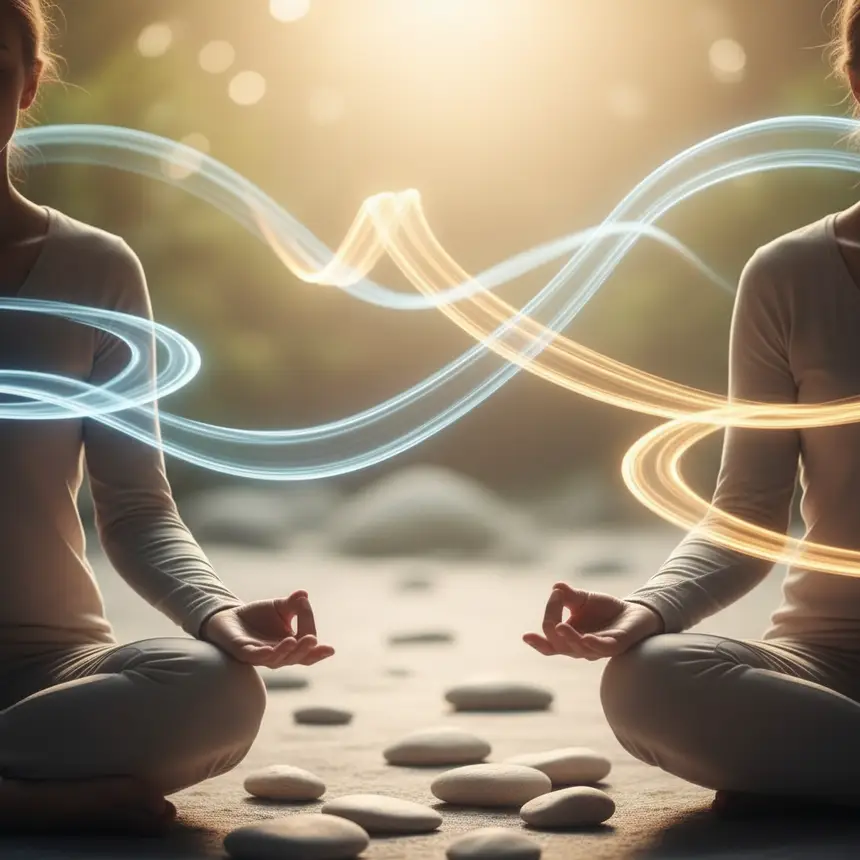
Restoring Balance Through Somatic Relaxation Techniques
The most effective way to improve your self-esteem is often to work from the outside in. By focusing on somatic relaxation, you can send safety signals to your brain, allowing it to move out of survival mode and into a state of growth. Deep, diaphragmatic breathing is one of the simplest yet most powerful tools at your disposal. Spending just five minutes a day focusing on your breath can significantly lower cortisol levels and release muscular tension. Additionally, paying attention to your posture—keeping your shoulders back and your chest open—can naturally boost your mood and sense of agency. Gentle stretching, staying hydrated, and ensuring proper circulation through light movement all contribute to a more balanced internal environment. When your body feels at ease, your mind naturally becomes more resilient and open to positive self-reflection.

Building Confidence Through Small Actions and Self-Compassion
Restoring self-esteem is a gradual process built on the foundation of small, consistent victories. Once you have addressed the physical tension in your body, you can start reclaiming control through minor daily achievements. Simple tasks like making your bed or taking a ten-minute walk in the fresh air serve as evidence that you are capable of influencing your own life. Shift your focus from meeting external expectations to practicing internal self-compassion. Instead of being your own harshest critic, try to offer yourself the same kindness you would give a friend. As these small acts of care accumulate, your self-perception will naturally begin to shift. Remember that self-worth is not a destination but a practice of showing up for yourself every day. Listen to your body, honor your emotions, and allow yourself the space to grow at your own pace. You are worthy of the effort it takes to heal.
Frequently Asked Questions
Q. What are some physical signs that my self-esteem might be low?
A. Common signs include shallow breathing, tension in the shoulders and jaw, chronic fatigue, and a feeling of heaviness in the stomach or chest.
Q. Can changing my posture really help my confidence?
A. Yes, physical posture influences the hormonal balance in your body. Sitting or standing tall can reduce stress hormones and make you feel more empowered.
Q. Why is it so hard to think positively when I am stressed?
A. When the body is in survival mode, the brain prioritizes safety over creative or positive thinking. Relaxing the body first makes it easier for the mind to follow.