Discover practical mind management habits and stress relief strategies for the overwhelmed modern individual. Understand the factors threatening your inner peace and learn concrete routines to regain vitality in your daily life.

H2. The Pervasive Shadow of Modern Fatigue: Acknowledging Your Emotional Strain
In today's fast-paced world, many individuals find themselves grappling with profound fatigue that extends beyond mere physical exhaustion. It's a pervasive sense of mental weariness, often accompanied by irritability and a constant stream of worries that disrupt sleep. This emotional drain not only saps daily vitality but also, over time, can destabilize our inner equilibrium, adversely affecting our overall mental wellness. When such a state persists, one might feel like a depleted battery, losing energy and finding life's joys muted. Recognizing and acknowledging these feelings, rather than suppressing them, is crucial. Taking the first step to honestly confront your emotional state can be the catalyst for positive change and a key aspect of effective emotional regulation.

H2. Unmasking the Subtle Pressures That Threaten Your Inner Peace
Contemporary society bombards us with psychological pressures in various forms. Excessive workloads, insufficient sleep, unbalanced nutrition, and lack of physical activity aren't just physical concerns; they directly impact our mental health. Much like invisible stressors continuously attacking the body, these environmental factors act as 'internal corrosives' that erode our peace of mind. Persistent mental tension can disrupt the body's protective mechanisms, potentially redirecting even beneficial energies to self-destructive processes. For instance, the body's natural resilience, akin to 'internal antioxidants' crucial for maintaining mental vitality, can naturally diminish with age or prolonged stress. Studies suggest that certain vital internal compounds may decline by approximately 15% every decade after the age of 20. This indicates that without conscious efforts to strengthen our mental protective shield, our emotional recovery capacity can weaken over time. Therefore, proactive measures are essential to safeguard our minds from these 'internal corrosives.' It is vital to identify which factors impede your psychological stability and develop corresponding coping strategies.
※ This post contains affiliate links. I may earn a commission at no extra cost to you.

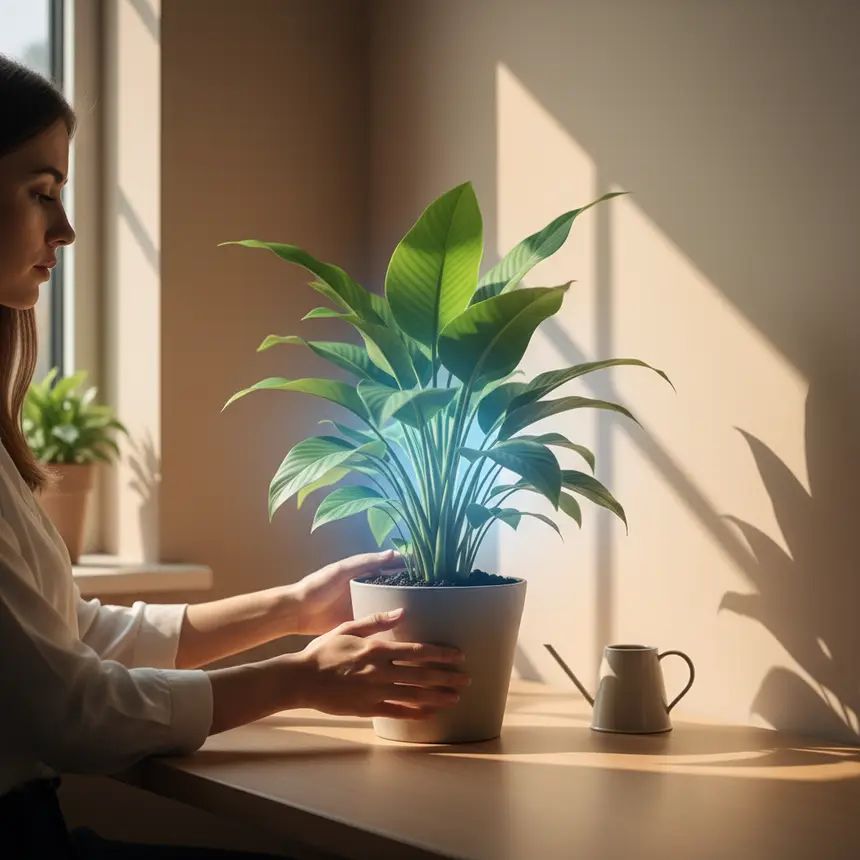
H2. Cultivating Calm: Effective Emotional Regulation Routines for Daily Life
To restore inner balance and boost mental well-being, consistent habits for emotional regulation are indispensable. Small daily efforts can accumulate to create powerful vitality-enhancing effects. Here are some concrete practices to help protect and restore your mind:
- Regular Meditation and Breathwork: Dedicate even 5-10 minutes daily to quiet contemplation, focusing on your breath. This acts as an 'internal vitamin,' essential for preventing mental burnout and regaining a sense of calm.
- Adequate and Quality Sleep: Sleep is the most potent 'inner detoxifier' for both body and mind. Establishing a regular sleep schedule is vital to dissolving mental fatigue accumulated overnight and preparing for the next day's vitality.
- Consistent Physical Activity: Even a short walk or light stretching can make a difference. Physical activity functions like a 'mental CoQ10,' reducing feelings of sadness and invigorating positive energy. Consistent exercise can be hundreds of times more effective in enhancing mental resilience.
- Balanced Diet and Nature Engagement: Fresh fruits and vegetables are like 'natural polyphenols' that clear the mind. Particularly, blue and purple produce excel at protecting our minds from stress. Spending time in nature also offers a profound way to cleanse your mental state. Start by consistently incorporating just one of these practices into your routine to build your personal mental wellness regimen.

H2. Investing in Yourself: A Journey Towards Sustainable Inner Peace
Our mental well-being is not a destination reached by a single effort; it's an ongoing garden that requires daily tending. Sometimes we need to pull weeds, other times water the plants, always with consistent care. While stress and worry are inevitable parts of life, we must not allow them to completely dominate our minds. Through the emotional regulation habits introduced, you can protect your inner self and cultivate a steadfast core that remains unshaken amidst adversity. Understanding and managing your emotions in healthy ways represent the most valuable investment you can make in yourself. Small changes accumulate to create significant differences, ultimately paving the way for a more fulfilling and peaceful life. Beginning today, be kinder to yourself, and listen to your inner voice. Your mental health is far more precious than you might realize.
Frequently Asked Questions
Q. What is the easiest mental wellness habit to start to reduce stress?
A. The simplest habit to begin is 'breath meditation.' Spend about 5 minutes daily in a quiet space, closing your eyes and focusing solely on your breath. Consciously feeling each inhale and exhale, and staying in the present moment, provides immediate psychological calm and greatly aids in managing stress responses.
Q. What specifically constitutes 'internal corrosives' harmful to mental well-being?
A. 'Internal corrosives' is a metaphorical term referring to psychological and environmental stressors that undermine our mental health. Examples include chronic anxiety, excessive competitiveness, perfectionism, sleep deprivation, and irregular lifestyle habits. When these factors persist, they can easily disrupt mental balance.
Q. Is it true that emotional resilience tends to decrease with age?
A. Yes, similar to physical changes, this phenomenon can be observed in mental aspects as well. For instance, some of our body's vital components naturally decline by about 15% every decade after age 20. This implies that the internal resources needed to respond to stress and recover from emotional impacts may gradually diminish, making conscious mind management even more critical.
Q. Do you have tips for maintaining an effective emotional regulation routine amidst a busy schedule?
A. The key is to 'start small and be consistent,' rather than trying to perfectly adhere to every routine. For example, try listening to music for 10 minutes during your commute, writing a 5-minute gratitude journal before bed, or taking a short walk during lunch. The goal is to integrate small habits naturally into your daily life. It's more effective to gain motivation through small successes than to attempt to change everything at once.