How do you process the mix of emotions after a workout? This article introduces practical mindfulness habits to find inner peace and effectively manage stress after physical activity.

Beyond the Burn: Navigating the Subtle Emotional Aftershocks of Exercise
After a vigorous workout and a refreshing shower, a peculiar mix of emotions might settle in. While the initial rush of exhilaration and accomplishment is welcome, it can often be followed by a lingering sense of fatigue, a vague restlessness, or a subtle disconnect between the triumphant feeling you anticipated and the reality. Your body might yearn for rest, having expended considerable energy, yet your mind still feels like it's rippling with unresolved sensations. These unaddressed post-workout emotions can often hinder your focus on subsequent tasks or even prevent you from truly relaxing and recovering. Have you ever experienced this kind of inner stir after your physical activity?

The Lingering Echoes: Why Our Minds Still Swirl After Physical Exertion
We often perceive exercise as a direct route to stress relief and a mood boost. Indeed, physical activity can stimulate the release of endorphins, promoting positive feelings. However, it can also temporarily elevate stress hormones like cortisol. This intricate interplay of hormonal shifts, combined with the intensity of your workout and your general mood, means that emotional residues don't always dissipate easily post-exercise. It's much like the embers and smoke that linger after a vibrant fire has died down. If this emotional 'digestion' process isn't properly managed, your mind might remain in a state of tension even as your body relaxes, leading to accumulated emotional fatigue. Neglecting these inner turbulences can negatively impact your mental well-being in the long run, highlighting the necessity for proactive mind management.
※ This post contains affiliate links. I may earn a commission at no extra cost to you.

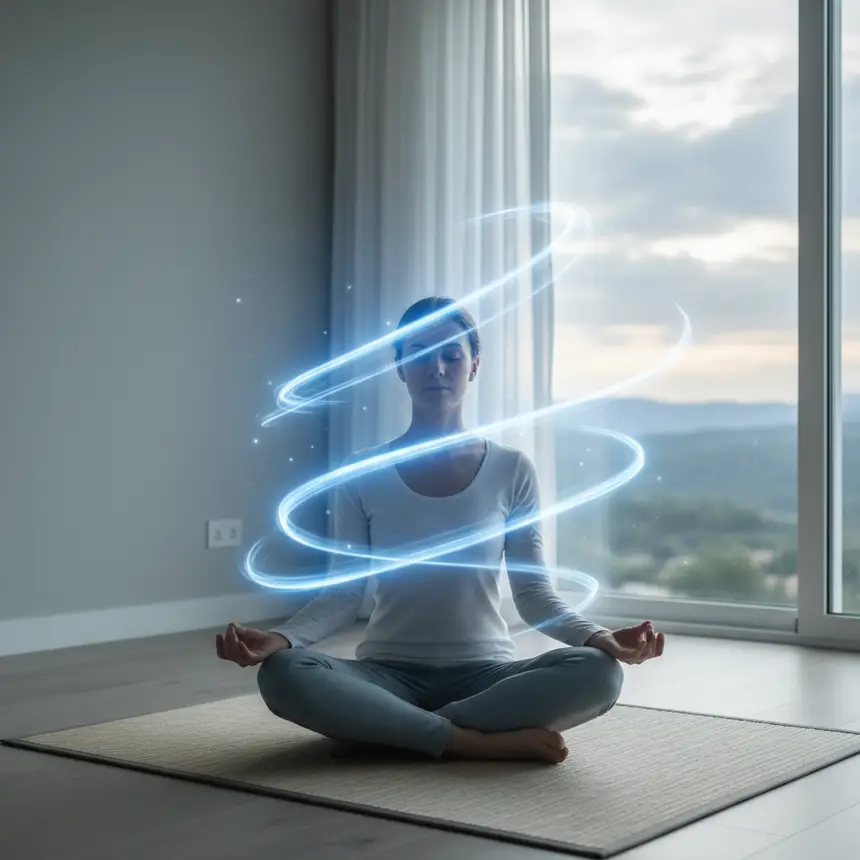
Three Keys to Soothe the Inner Stir After Your Workout
To effectively manage the complex emotions that arise after exercise and reclaim your inner peace, consider these practical strategies:
- 1. The Mirror of Awareness: After your workout, pause for a moment to observe the changes within your body and mind without judgment. Ask yourself, 'What emotions am I experiencing right now?' as you notice your heart rate and breathing. Simply acknowledging feelings like relief, fatigue, accomplishment, or something indefinable is the first step in emotional regulation and a valuable process of self-understanding.
- 2. Journaling Your Inner Landscape: Expressing your post-workout emotions through writing can be incredibly beneficial. Instead of labeling feelings as simply 'good' or 'bad,' try to use specific words, such as 'I feel refreshed but a little worried about muscle soreness,' or 'It was tough, but I feel proud of reaching my goal.' Even a few lines in a journal or a note on your phone can clarify vague emotions and help you objectively understand your emotional patterns.
- 3. Strengthening the Mind-Body Link: Dedicate a few minutes in a quiet space to focus on deep breathing and relaxation. Close your eyes and gently inhale and exhale, observing how your body and mind respond. Concentrating on your breath grounds you in the present moment, quieting mental chatter and guiding you toward inner calm. You don't need a specific meditation technique; simply focusing on your breath is enough.

Integrating Mindfulness into Your Post-Workout Routine
Here are actionable mindfulness habits you can seamlessly incorporate into your daily routine:
- 1. The 5-Minute Emotional Scan: Immediately after finishing your exercise, find a quiet spot to sit for 5 minutes. Focus on your breath and gently tune into your bodily sensations and any emotions that arise. Set a timer to dedicate this time fully to yourself.
- 2. "Today's Feeling in a Phrase" Log: While showering or changing clothes post-workout, jot down the most dominant emotion you experienced today in a short phrase. This can be on a smartphone note app or a small notebook. Examples include: 'Invigorating sense of achievement,' 'Proud yet sore muscles,' or 'Slight fatigue with peaceful calm.' This practice enhances your emotional awareness.
- 3. Conscious Relaxation with Gentle Stretching: As you perform light stretching or yoga poses, consciously focus on the feeling of each muscle relaxing. Beyond just lengthening your body, try silently repeating positive words like 'release,' 'calm,' or 'gratitude' to intentionally strengthen the connection between your body and mind. This helps relieve physical tension while simultaneously fostering mental tranquility.

Cultivating a Resilient Mind Alongside a Strong Body
Exercise is not just for physical health; it is a powerful tool for preserving mental well-being and fostering inner vitality. The process of managing your emotions after a workout is more than just recovering from physical exertion; it's a valuable opportunity to understand yourself more deeply and cultivate emotional self-control. By consistently practicing the small mindfulness habits introduced today, you can become more attuned to your emotions and develop a resilient mind that remains centered in any situation. Remember, just like a body strengthened by exercise, your mind too can be maintained in a healthier, more peaceful state through continuous attention and practice. Consistency is the most reliable path to inner peace.
Frequently Asked Questions
Q. Why is it important to process emotions after exercise?
A. Exercise expends physical energy and can trigger various emotional responses. Failing to process these emotions properly can lead to accumulated stress or negatively impact your next activities, making it crucial for maintaining inner balance.
Q. What type of exercise is most effective for emotional regulation?
A. Rather than a specific type of exercise, finding what 'works for you' and being consistent is key. Whether it's cardio, strength training, or yoga, the main point is to take time to reflect on your emotions afterward.
Q. I've never meditated; how can I start?
A. You don't need a grand meditation practice. Start by sitting in a quiet place for 5 minutes, closing your eyes, and focusing on your breath to relax your body. It's helpful to observe any thoughts or feelings that arise without judgment, then gently return your focus to your breath.
Q. Does journaling really help with emotions?
A. Yes, it's very effective. Expressing emotions in writing can make vague feelings clearer and help you objectively understand your emotional patterns. This is a crucial first step in improving your emotional management skills long-term.
Q. What if I continue to feel anxious or depressed even after consistent self-care?
A. If emotional difficulties persist despite consistent self-care, it's advisable to seek professional help. Consulting a therapist or mental health professional can be immensely beneficial in understanding your mind and fostering healthy recovery.