Discover how to find calm and peace without being swayed by daily emotions. Experience inner freedom through mindful practice of observing emotions objectively. Gain wisdom to understand and effectively manage the true nature of your feelings.

Understanding Why Emotions Overwhelm Us Daily
In our daily lives, many of us find ourselves easily swayed by unexpected emotional surges. Minor triggers can sometimes cause our minds to react intensely, leading to prolonged unease. Especially strong emotions like anger or sadness often feel like an integral part of our very being, making it seem impossible to break free from them. This deep identification with our feelings tends to make them linger, often resulting in relational conflicts or disrupting our personal sense of psychological well-being. The internal turmoil we experience frequently stems from our tendency to perceive emotions as 'who we are' or 'our inherent personality traits.' This perception can lead us to feel vulnerable or flawed whenever an emotion arises, creating a vicious cycle where we are constantly at the mercy of our emotional currents. True emotional management begins with recognizing this critical distinction.

Emotions: Transient Visitors, Not Permanent Residents
A primary reason emotions exert such a strong influence over us lies in a fundamental misunderstanding of their true nature. We often treat emotions as if they are permanent entities, yet in reality, they are fleeting phenomena that emerge momentarily and then naturally dissipate as conditions change. They are much like clouds drifting across the sky, appearing briefly in response to certain circumstances before ultimately dispersing. Recognizing this transient and impermanent quality of emotions is incredibly important. What causes emotions to cling and linger within us is often a strong sense of ownership—the belief that these are 'my emotions.' This possessive mindset makes us categorize any arising emotion as 'my problem,' making it difficult to separate ourselves from it. However, an emotion is simply a flow of energy that arises and subsides through the interaction of external stimuli and internal states. By cultivating the ability to observe emotions objectively, we can avoid being swept away by their tides, maintaining a calm inner center. Instead of trying to eliminate emotions, a more effective approach is to simply acknowledge their presence and allow them to pass naturally. Understanding the impermanence of emotions and letting go of ownership is the foundational step towards healthy emotional regulation.
※ This post contains affiliate links. I may earn a commission at no extra cost to you.

Practicing Mindful Observation of Emotions
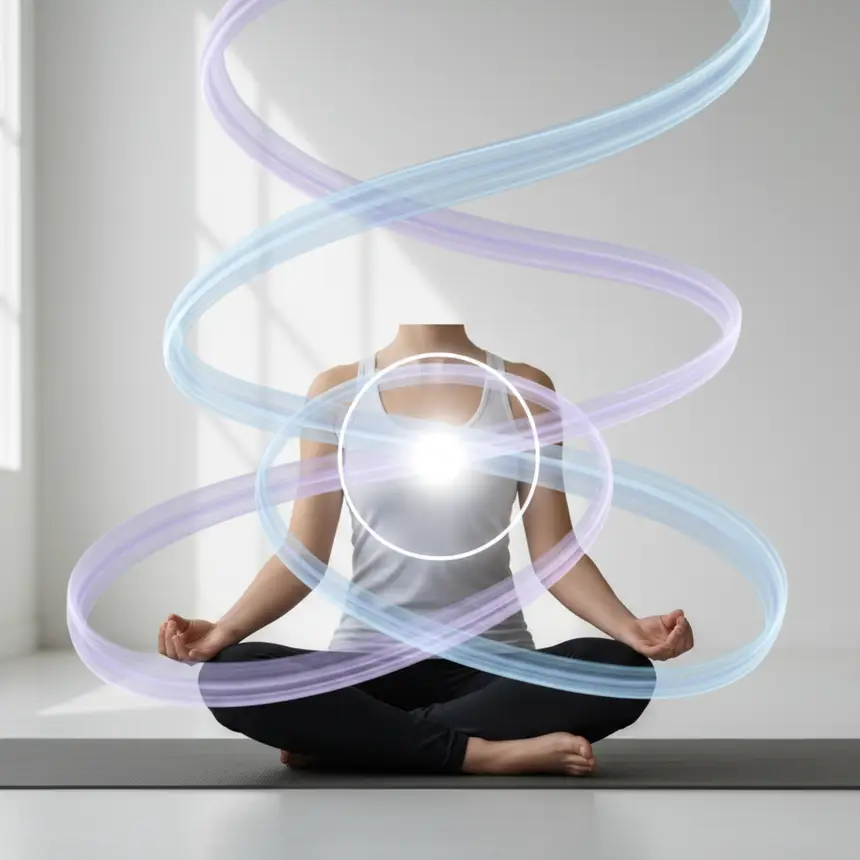
To cultivate inner peace without being controlled by your emotions, an effective strategy is 'emotional observation.' This practice involves simply watching your emotions as they are, without judgment or attempting to change them, much like observing a landscape. The core tool in this process is 'mindfulness.' Mindfulness is the training of paying attention to the present moment, noticing your thoughts, emotions, and physical sensations without judgment.
Here are practical ways to practice emotional observation:
Here are practical ways to practice emotional observation:
- Focus on your breath: Start by sitting in a comfortable position and concentrating on your breath. Paying attention to the sensation of each inhale and exhale helps bring your mind back to the present moment.
- Notice body sensations: When an emotion arises, observe where in your body you feel it and what its specific sensation is. For instance, anger might manifest as tightness in the chest or warmth in the face. Simply observe these sensations without judgment.
- Label your emotions: Gently label the emotion that arises, saying to yourself, 'Sadness is here,' or 'I feel anxiety.' This helps you create a slight distance from the emotion, positioning you as an objective observer. Consistent practice of these techniques allows you to experience firsthand that emotions are temporary visitors that come and go. By maintaining an observational stance whenever an emotion arises, your mind will gradually feel lighter, and managing your inner emotional landscape will become significantly easier. Start dedicating a few minutes each day to observing your emotions. Through consistent practice, you can transform from being enslaved by your emotions to becoming a wise observer of them.
Frequently Asked Questions
Q. What should I do when strong emotions make emotional observation difficult?
A. When strong emotions arise, it helps to pause what you're doing and focus on your breath in a safe space. Rather than trying to suppress the emotion, pay close attention to where it resides in your body and what it feels like. You can spend about 5 to 10 minutes simply being with the emotion, allowing its intensity to naturally lessen.
Q. Can I practice emotional observation in daily life without formal meditation?
A. Yes, absolutely. You can practice mindfulness by simply paying attention to your senses and emotions even while eating, walking, or engaging in conversation. For example, fully experience the taste, smell, and texture of your food, or focus on the sensation of your feet on the ground while walking. Utilize these small moments throughout your day.
Q. What changes can I expect from consistently practicing emotional observation?
A. Consistent practice of emotional observation will change how you react to emotions. You'll become less easily overwhelmed and gain the ability to view them from an objective distance. This leads to increased emotional stability, reduced stress responses, and helps you respond more wisely and flexibly in your relationships with others.
Q. Is observing emotions different from avoiding them?
A. Yes, they are distinctly different. Emotional observation is not about escaping or ignoring emotions; rather, it's an active process of acknowledging and accepting them as they are. Avoiding emotions often leads to suppression and internal conflict, whereas observation allows for their natural flow, leading to resolution.