Experiencing a mix of feelings after physical activity? Discover mindful habits and practical techniques to effectively manage post-exercise emotions and maintain inner peace and emotional balance.

Unpacking the Emotional Landscape After Physical Exertion
Engaging in physical activity offers much more than just bodily strength; it profoundly influences our mental and emotional well-being. While many of us chase the euphoric "runner's high" or the satisfying rush of accomplishment, it's equally common to encounter a complex tapestry of emotions once the physical effort subsides. Have you ever felt an unexpected wave of emptiness after an intense workout, or a subtle undercurrent of unease despite a refreshing walk? These shifts in mood are entirely natural. Physical exertion impacts the delicate balance of our nervous system, directly shaping our feelings and psychological state. The key isn't to dismiss or suppress these emotional ebbs and flows but to acknowledge their presence and develop healthy strategies for processing them. Think of it as navigating the waters after a storm: understanding the currents allows you to steer towards a calm inner harbor.

Listening Inward: Interpreting Your Emotional Cues
When the body is activated through physical engagement, it often brings to the surface emotions that might have been dormant. This process can be likened to stirring a calm pond, where sediments briefly rise before settling into clarity. Such emotional emergence provides a vital opportunity to examine our inner state. While consistent physical activity is known to lower stress hormones and boost mood-enhancing neurotransmitters, it can also, paradoxically, trigger emotional agitation alongside physical fatigue. In these moments, instead of self-criticism or hasty suppression, the goal is to gently explore the nature of these feelings. Is it simply physical exhaustion, or does it hint at an unresolved concern? This introspective inquiry is the first step toward a deeper understanding of your own mind. Practicing self-attunement transforms these moments into meaningful dialogues with yourself.
※ This post contains affiliate links. I may earn a commission at no extra cost to you.

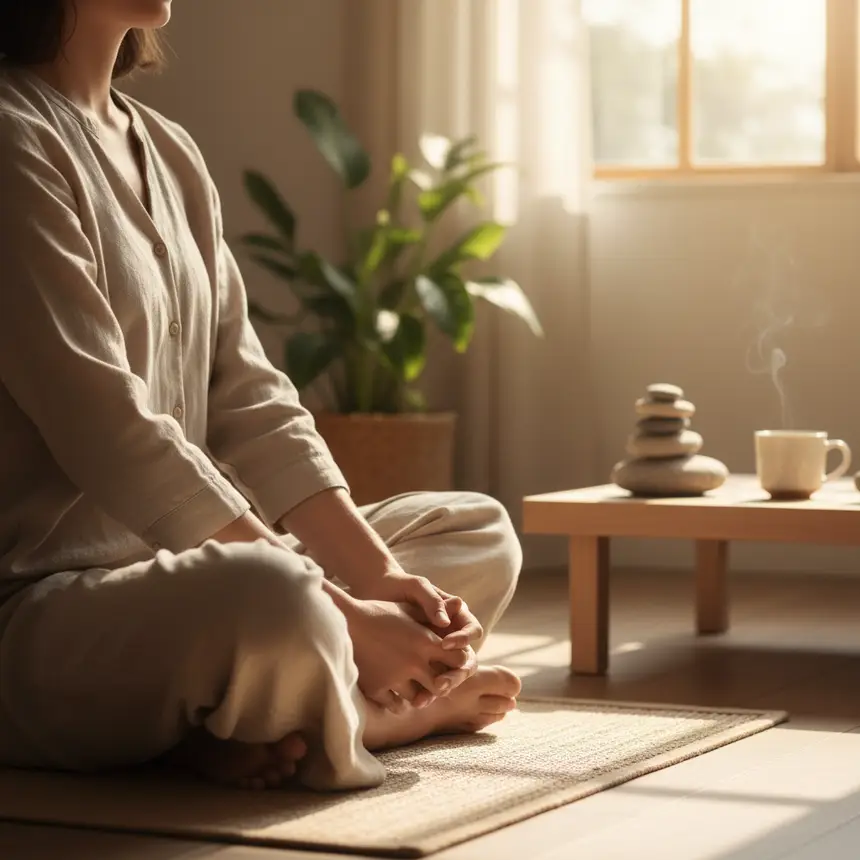
Actionable Habits for Sustained Emotional Well-being
Cultivating emotional stability after physical activity is a skill developed through consistent, mindful practices. Here are concrete steps to help you maintain inner peace and effectively manage your emotions:
- Momentary Awareness Check-in: Immediately after your activity, dedicate a few moments to simply observe your body and mind. Notice your breathing, heart rate, or any areas of tension. Simultaneously, acknowledge any emotions present without judgment. This is the foundational step to objectively recognizing your feelings.
- Journal Your Emotional Traces: Documenting your feelings, either through writing or voice notes, can be incredibly insightful. For instance, you might write: 'Today's run was tough, bringing a sense of achievement but also a lingering anxiety. Is it related to tomorrow's looming deadline?' This practice helps you trace the origins of your emotions and uncover patterns, unraveling complex emotional threads.
- Deep Breathing for Mental Clarity: Find a quiet space and settle into a comfortable position. For several minutes, practice conscious, deep inhalation and exhalation. Visualize tension leaving your body and mental noise dissipating with each exhale. This technique anchors your mind to the present, effectively calming emotional turbulence.
- Mindful Movement for Integration: Gentle stretching or soft yoga poses can release physical tension and enhance the connection between your body and mind. Focus on slowly moving through areas prone to stiffness, such as shoulders, neck, and lower back, paying attention to the sensation of release. This final stage promotes complete relaxation and a profound sense of peace.
Frequently Asked Questions
Q. Is it normal to always feel great after exercising?
A. Not necessarily. Physical activity influences hormones and the nervous system, which can trigger a wide range of emotions. It's perfectly normal to feel fatigue, complex thoughts, or even unidentifiable anxiety. The key is not to judge these feelings as negative but to acknowledge them and learn healthy ways to process them.
Q. Why is emotional regulation important after physical activity?
A. Managing your emotions post-activity goes beyond mere mood improvement; it's crucial for stress relief and maintaining inner balance. Unprocessed emotions can impact daily life, potentially reducing sleep quality or diminishing focus. Developing the habit of recognizing and addressing your feelings positively contributes to long-term mental well-being.
Q. Can journaling truly help with emotional processing?
A. Yes, it's highly effective. The act of externalizing complex emotions through writing or speaking allows you to gain perspective and observe them objectively. This plays a critical role in identifying emotional patterns and understanding how specific situations or activities affect your emotional state.
Q. What if I have limited time for emotional regulation practices in my busy schedule?
A. Instead of attempting a full routine, focus on consistent, shorter practices. For example, dedicate just 5 minutes after your physical activity to observe your emotions during cooldown, or make a habit of jotting down 2-3 lines about your feelings before bed. Small, consistent steps can lead to significant positive changes.